
Research and Education
BPC-157 and TB-500 Blend — Research Guide
If you’ve spent any time in the peptide research space, chances are you’ve come across these two names together. BPC-157 and TB-500 have quietly become one of the most discussed combinations in regenerative science — and for good reason. This guide breaks down what each peptide does, why scientists study them together, and what the current literature actually says.
What Is BPC-157?
BPC-157 stands for Body Protection Compound-157. It’s a synthetic peptide made up of 15 amino acids, derived from a protective protein found naturally in gastric juice. What makes it compelling to scientists is its apparent stability and its ability to act systemically — meaning effects have been observed throughout the body, not just at a local site.
Animal studies have pointed to its potential role in tendon healing, gut repair, nerve regeneration, and reducing inflammation. It’s also been studied for its interaction with the nitric oxide system, which plays a key role in vascular function and tissue recovery. The volume of preclinical data behind this compound is genuinely impressive.
What Is TB-500?
TB-500 is a synthetic version of Thymosin Beta-4 — a naturally occurring peptide found in almost every human and animal cell. It works primarily through actin regulation, which gives it a broad reach across different tissue types. Actin is one of the most abundant proteins in the body, so anything that influences it tends to have wide-ranging effects.
What sets TB-500 apart is its systemic nature. Studies suggest it circulates through the body and promotes healing well beyond the injection site. Scientists have explored its role in wound healing, new blood vessel formation, cell migration, and even potential neuroprotective effects following neurological injury.
Why Researchers Study BPC-157 and TB-500 Together
Here’s where it gets interesting. These two peptides work through different but complementary pathways. One operates largely through the nitric oxide and growth hormone receptor systems, while the other works through actin modulation and cell signaling. Together, they potentially cover more biological ground than either does alone.
That’s the core reason this blend has attracted serious attention in research circles. It’s not about doubling up on the same mechanism — it’s about targeting tissue repair from two distinct angles at the same time. Some researchers informally call it a synergistic healing stack, though that terminology comes from the scientific community, not clinical medicine.
What Preclinical Studies Actually Show
BPC-157 research has demonstrated potential across several biological processes — tendon-to-bone healing, gut mucosal repair, and counteracting damage caused by NSAIDs in animal models. TB-500 studies have shown promise in promoting cell proliferation, reducing inflammation, and supporting angiogenesis.
But here’s something worth being clear about — most of this data comes from animal models. Human clinical trials on this specific combination remain limited. Findings from rodent studies don’t automatically translate to human outcomes, and responsible researchers always acknowledge that gap.
Dosage Protocols Used in Research
Everything in this section is strictly for educational context. These are research compounds only — not approved for human use by the FDA or any regulatory body.
In animal studies, BPC-157 has typically been examined at doses ranging from 1 mcg/kg to 10 mcg/kg. TB-500 protocols vary depending on the target tissue and study design. Administration in preclinical research is typically subcutaneous or intramuscular, with frequency ranging from daily to weekly depending on the injury model being studied.
Sourcing Peptides for Research
For any serious research, purity is everything. Poorly synthesized peptides don’t just produce bad data — they can compromise an entire study. Third-party testing, proper lyophilization, and sterile handling are non-negotiables when sourcing research compounds.
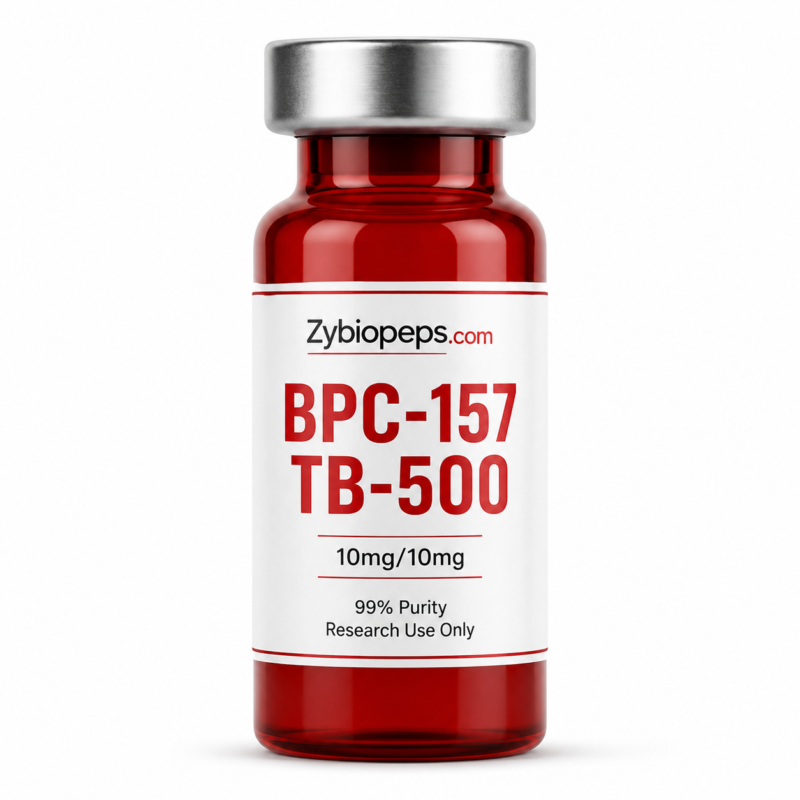
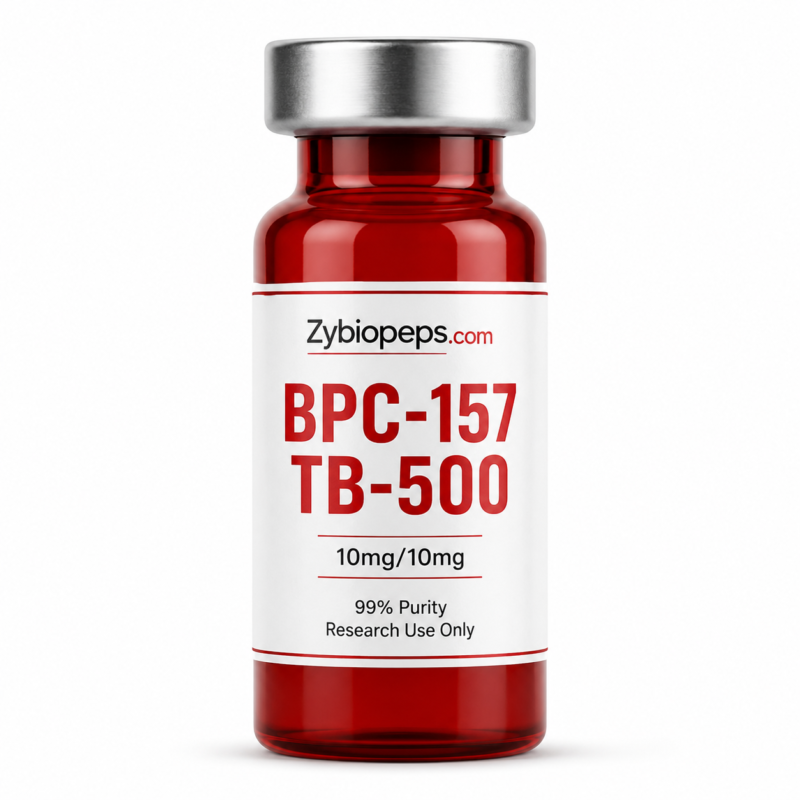
At Zybiopeps, our BPC-157 and TB-500 are produced to strict research-grade standards with verified purity on every batch. We also carry a BPC-157 and TB-500 Blend for researchers who prefer a pre-combined format. All products are intended strictly for laboratory use only.
Where the Research Is Headed
The literature on both peptides continues to grow. While human trials are still catching up, the preclinical data has been enough to keep scientists actively publishing. PubMed hosts a growing collection of peer-reviewed studies worth exploring if you want to go deeper into the primary sources.
As with any emerging area of peptide science, the smartest approach is always following the data — not the hype. And right now, the data is pointing in a genuinely fascinating direction.
Disclaimer: All products sold by Zybiopeps are intended for research and laboratory use only. They are not intended for human consumption, diagnosis, treatment, or prevention of any disease or condition. This content is purely informational and educational and does not constitute medical advice. Always consult a licensed medical professional before making any health-related decisions.
