
Research and Education
BPC-157 Benefits: What the Research Actually Shows
If you’ve spent any time in the peptide research space, you’ve probably come across BPC-157. Short for Body Protection Compound 157, this synthetic peptide has become one of the most widely studied compounds in regenerative research — and the data coming out of preclinical studies is hard to ignore.
In this post, the Zybiopeps Research Team breaks down the key BPC-157 benefits documented in scientific literature, how researchers are using it, and why it’s often stacked with TB-500 for enhanced results.
Note: All content on this page is intended strictly for educational and research purposes. BPC-157 is not approved for human use by the FDA.
What Is BPC-157?
BPC-157 is a pentadecapeptide — a chain of 15 amino acids — derived from a protective protein found naturally in gastric juice. It was first isolated and studied for its role in gut protection, but researchers quickly discovered its effects extended far beyond the digestive system.
Unlike many research peptides, BPC-157 demonstrates what scientists call “pleiotropic” activity — meaning it appears to influence multiple biological systems simultaneously. This has made it a subject of intense interest across regenerative medicine, neuroscience, and sports science research communities.
Key BPC-157 Benefits Documented in Research
1. Accelerated Tissue and Wound Healing
Perhaps the most documented BPC-157 benefit in preclinical literature is its ability to accelerate tissue repair. Studies in rodent models have shown significant improvements in the healing of tendons, ligaments, muscles, and bone following BPC-157 administration.
Researchers believe this occurs through upregulation of growth hormone receptors and stimulation of angiogenesis — the formation of new blood vessels — which delivers increased oxygen and nutrients to damaged tissue. A key study published on PubMed demonstrated accelerated tendon-to-bone healing in rat models, suggesting potential applications in orthopedic research. Read the original research on PubMed →
2. Gastrointestinal Protection and Gut Health
BPC-157 was originally studied for its gastroprotective properties — and this remains one of its most robust areas of research. Preclinical studies have shown it may help protect the gut lining, reduce inflammation in the GI tract, and accelerate healing of gastric ulcers.
Researchers have explored BPC-157’s potential role in models of inflammatory bowel disease, fistula repair, and intestinal anastomosis. Its mechanism here appears to involve modulation of nitric oxide pathways and prostaglandin activity within the gut wall.
3. Anti-Inflammatory Effects
Chronic inflammation sits at the root of a wide range of conditions studied in modern research. BPC-157 has demonstrated consistent anti-inflammatory activity in preclinical models, reducing markers of inflammation without the immunosuppressive side effects associated with corticosteroids.
This makes it a particularly interesting compound for researchers investigating musculoskeletal injuries, joint damage, and post-surgical recovery models.
4. Neuroprotective Properties
Emerging research has turned attention toward BPC-157’s effects on the central nervous system. Animal studies have suggested it may have neuroprotective properties, potentially supporting dopamine and serotonin system stability.
Some researchers have investigated its role in models of traumatic brain injury, stroke recovery, and neuroinflammation. While this area of BPC-157 research is still in early stages, the preliminary data has generated significant scientific interest.
5. Cardiovascular and Organ Protection
Beyond musculoskeletal and neurological applications, BPC-157 has been studied for its potential protective effects on the heart and major organs. Preclinical models have shown it may help mitigate damage caused by NSAID toxicity, alcohol, and other chemical stressors — suggesting a broad cytoprotective role.
BPC-157 and TB-500 Stack — Why Researchers Combine Them
One of the most popular research protocols involves combining BPC-157 with TB-500 (Thymosin Beta-4). While BPC-157 targets localized tissue repair and GI protection, TB-500 operates more systemically — promoting cell migration, reducing inflammation at a broader level, and supporting muscle fibre growth.
Together, researchers hypothesize that the two compounds may offer a synergistic effect on tissue recovery — BPC-157 working locally at the injury site while TB-500 supports systemic healing pathways. This combination has become one of the most researched peptide stacks in sports science and regenerative medicine circles.
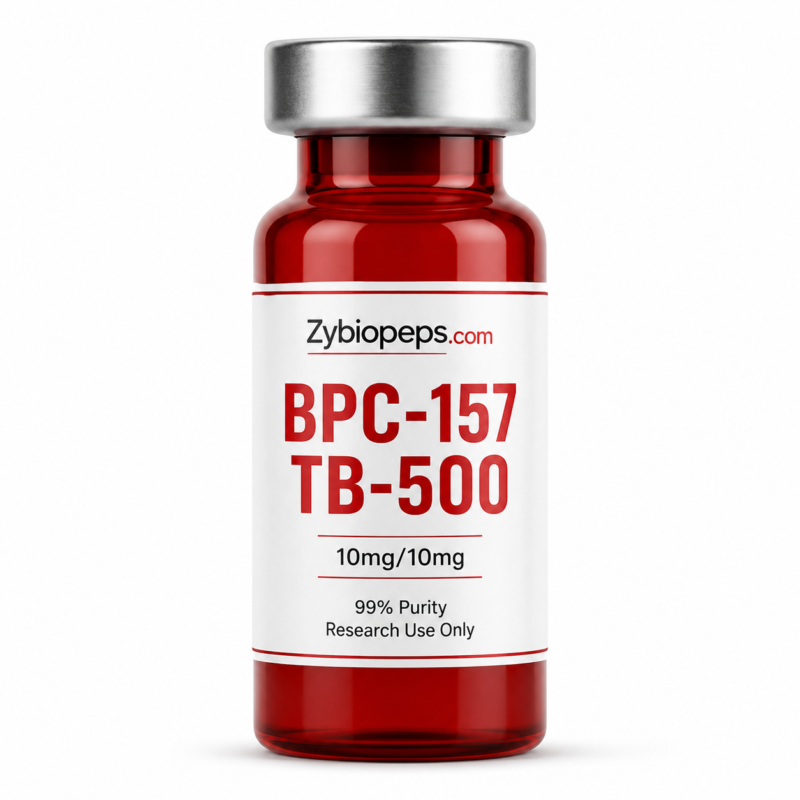
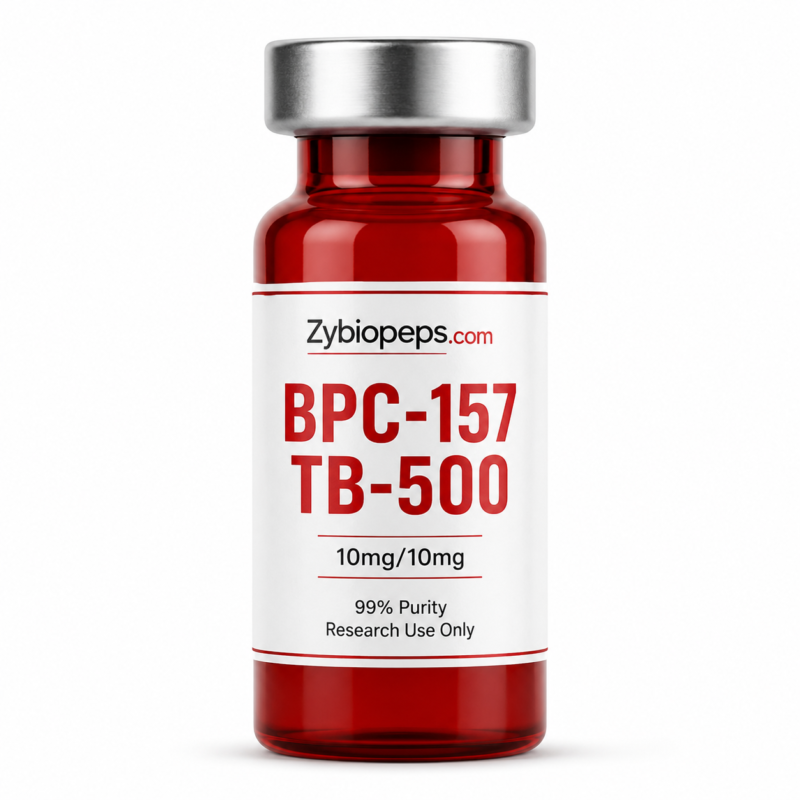
If you’re sourcing compounds for this type of research protocol, you can explore our BPC-157 and TB-500 research peptides in the Zybiopeps store.
What Are the Benefits of BPC-157 for Men vs Women in Research?
Search data shows researchers frequently look for sex-specific data on BPC-157. The current body of preclinical literature has not demonstrated significant sex-dependent differences in BPC-157’s primary mechanisms — tissue repair, gut protection, and anti-inflammatory activity appear consistent across male and female animal models studied to date.
However, ongoing research continues to explore hormonal interactions, and this remains an evolving area of the science.
How Is BPC-157 Used in Research Settings?
In laboratory research, BPC-157 is typically administered via subcutaneous or intramuscular injection in animal models, though some studies have explored oral administration given its gastric origin. Research protocols vary widely depending on the specific application being studied.
Researchers sourcing BPC-157 should ensure they’re working with high-purity, third-party tested compounds. All Zybiopeps peptides come with Certificates of Analysis (COA) to support research integrity.
Final Thoughts
The BPC-157 benefits documented in preclinical research span an impressive range — from accelerated wound healing and gut protection to neuroprotection and cardiovascular support. As the peptide research community grows, BPC-157 remains one of the most actively studied and discussed compounds available.
The Zybiopeps Research Team will continue to cover emerging literature as new studies are published. For researchers looking to explore related compounds, our posts on Ipamorelin, Semaglutide, and Best Peptides for Muscle Growth may also be relevant to your work.
⚠️ Disclaimer: All products sold by Zybiopeps are intended for research purposes only. They are not intended for human consumption, veterinary use, or therapeutic application. BPC-157 has not been approved by the FDA for use in humans. This content is for educational purposes only and does not constitute medical advice. Always comply with all applicable laws and regulations regarding research peptides in your jurisdiction.
