

Research and Education
Tirzepatide Weight Loss Results: What the Research Shows
Tirzepatide weight loss results have taken the research community by storm over the past few years, and the data coming out of clinical trials is genuinely hard to ignore. This dual-action GIP and GLP-1 receptor agonist has produced some of the most significant weight reduction outcomes ever recorded in obesity research — and scientists are still working to fully understand why it performs so differently from earlier compounds in the same class.
At Zybiopeps, interest in tirzepatide research has grown rapidly. It’s one of those compounds where the clinical literature genuinely surprises you the first time you read through it.
What Is Tirzepatide and How Does It Work?
Tirzepatide is a synthetic peptide that activates two receptors simultaneously — the glucose-dependent insulinotropic polypeptide receptor (GIP) and the glucagon-like peptide-1 receptor (GLP-1). This dual mechanism is what sets it apart from earlier GLP-1 only compounds like semaglutide. By targeting both pathways at once, tirzepatide influences appetite regulation, insulin sensitivity, gastric emptying, and energy metabolism through complementary mechanisms that appear to work synergistically.
The GLP-1 pathway is well understood at this point — it slows gastric emptying, reduces appetite signaling in the brain, and improves insulin secretion in response to meals. The GIP pathway adds another layer by improving insulin sensitivity in peripheral tissues and potentially influencing fat storage directly. Together, these effects produce a metabolic impact that single-receptor agonists simply haven’t been able to match in clinical trials.
Tirzepatide Weight Loss Results: What the Clinical Data Shows
The SURMOUNT clinical trial program is where tirzepatide’s reputation was built. In SURMOUNT-1, participants receiving the highest dose of tirzepatide achieved an average body weight reduction of around 22.5% over 72 weeks. To put that in context — that’s a level of weight reduction that had previously only been associated with bariatric surgery in clinical research. No pharmacological intervention had come close to those numbers before.
What’s equally interesting is the dose-response relationship observed across the trial. Lower doses produced meaningful results too, with even the starting dose showing significant weight reduction compared to placebo. This gives researchers a useful window into how the compound’s dual mechanism scales with concentration.
Tirzepatide Weight Loss Results at 1 Month
One of the most common questions researchers encounter when studying tirzepatide is what the early timeline looks like. Tirzepatide weight loss results at 1 month in clinical studies showed meaningful reductions beginning to emerge, though the compound’s full effect builds progressively over time. Early results at the one-month mark tend to reflect the initial impact on appetite signaling and gastric emptying rather than the full metabolic shift that develops with sustained dosing.
In research settings, the one-month window is typically used to assess tolerability and early metabolic markers rather than peak efficacy. The trajectory of results across the full trial period is where tirzepatide’s dual mechanism really demonstrates its advantage over single-receptor compounds.
Tirzepatide Weight Loss Results at 3 Months
By the three-month mark in clinical trials, tirzepatide weight loss results become considerably more pronounced. This timeframe captures the compound operating closer to its steady-state effect on both the GIP and GLP-1 pathways. Studies tracking tirzepatide weight loss results at 3 months consistently show accelerating reductions in body weight, with improvements in associated metabolic markers including fasting glucose, insulin sensitivity, and lipid profiles.
The three-month window is particularly valuable from a research perspective because it allows investigators to begin assessing the relationship between weight reduction and secondary metabolic outcomes — which is where tirzepatide’s clinical significance extends well beyond simple weight management research.
Before and After Tirzepatide Weight Loss Results
Before and after tirzepatide weight loss results in published research paint a striking picture. Beyond the headline body weight reductions, clinical studies documented significant improvements in waist circumference, blood pressure, triglyceride levels, and HbA1c — a marker of long-term blood glucose control. Participants also reported substantial improvements in physical functioning scores, which researchers interpreted as a reflection of both the weight reduction itself and the broader metabolic improvements associated with treatment.
Our research team at Zybiopeps has reviewed the full SURMOUNT dataset carefully. What stands out is not just the magnitude of the results but their consistency across different subgroups within the trials. The before and after picture in this research is unusually clean for a compound of this complexity.
How Does Tirzepatide Compare to Semaglutide?
The comparison between tirzepatide and semaglutide is one of the most discussed topics in metabolic research right now. The SURMOUNT-5 trial, which directly compared the two compounds, found that tirzepatide produced significantly greater weight reduction than semaglutide over the same treatment period. Participants on tirzepatide lost approximately 47% more body weight on average than those on semaglutide.
This difference is attributed to tirzepatide’s dual receptor mechanism. Semaglutide works exclusively through the GLP-1 pathway, while tirzepatide’s additional GIP activity appears to amplify the overall metabolic response. For researchers studying the comparative pharmacology of GLP-1 and GIP receptor agonism, this head-to-head data is invaluable.
If you’re researching this area, our existing post on Tirzepatide vs Semaglutide covers the mechanistic differences in more detail.
Tirzepatide and Metabolic Research Beyond Weight Loss
The weight loss data is what gets the headlines, but researchers are increasingly interested in tirzepatide’s broader metabolic effects. Studies have documented significant improvements in non-alcoholic fatty liver disease markers, sleep apnea severity, cardiovascular risk factors, and kidney function in research participants — all of which appear to be connected to both the weight reduction and the direct receptor-level effects of the compound.
This broader metabolic profile makes tirzepatide a genuinely versatile research subject. It’s not just a weight loss compound in the research context — it’s a window into how GIP and GLP-1 receptor co-activation reshapes metabolic function across multiple organ systems simultaneously.
For researchers interested in the broader GLP-1 peptide class, you might also find our post on Peptides for Weight Loss useful as additional context.
Sourcing Tirzepatide for Research
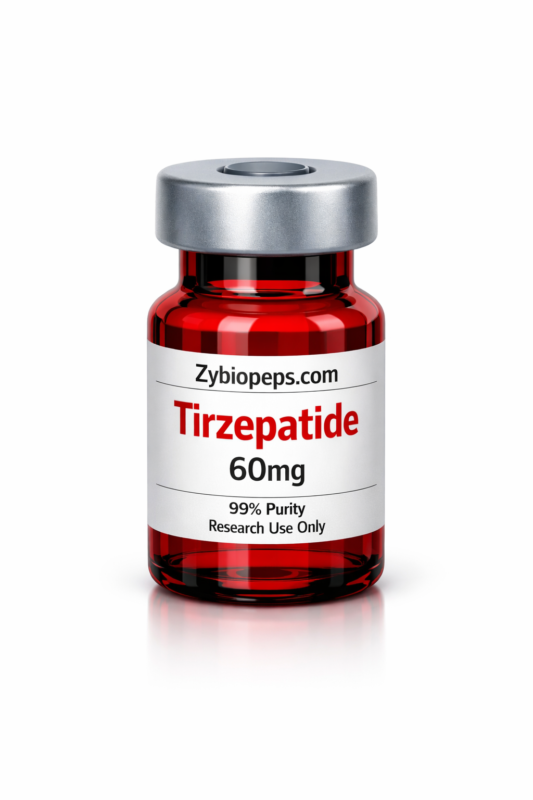
Research-grade purity is non-negotiable when studying a compound as pharmacologically active as tirzepatide. Small variations in purity or peptide integrity can significantly affect receptor binding activity and experimental outcomes. Researchers ordering from Zybiopeps can be confident that our tirzepatide is manufactured to 99%+ purity standards, with full third-party certificates of analysis available for every batch.
We supply research teams across the USA, Canada, and Australia. You can find full specifications on our Tirzepatide product page.
The Primary Research Behind Tirzepatide
For researchers who want to go deep into the primary literature, the SURMOUNT trial data is the essential starting point. The foundational findings have been published in peer-reviewed journals and are indexed through PubMed. You can access the core clinical trial data through PubMed’s indexed research on tirzepatide and weight reduction.
Frequently Asked Questions About Tirzepatide Weight Loss Results
What weight loss results does tirzepatide produce in research?
Clinical trials have documented average body weight reductions of up to 22.5% over 72 weeks at the highest doses studied — results that were previously only associated with bariatric surgery in the research literature.
What do tirzepatide weight loss results look like at 1 month?
At one month, early results begin to emerge as the compound’s effects on appetite signaling and gastric emptying take hold. The one-month window in research is typically used to assess tolerability and early metabolic markers rather than peak efficacy.
What do tirzepatide weight loss results look like at 3 months?
By three months, results become considerably more pronounced as the compound approaches steady-state activity across both receptor pathways. Studies consistently show accelerating weight reduction alongside improvements in glucose metabolism and lipid profiles at this timeframe.
How do before and after tirzepatide weight loss results compare?
Published research shows significant reductions in body weight, waist circumference, blood pressure, triglycerides, and HbA1c between baseline and end-of-trial measurements. The consistency of these results across different participant subgroups is one of the most notable features of the clinical data.
How does tirzepatide compare to semaglutide for weight loss?
Direct comparison trials have shown tirzepatide producing approximately 47% greater weight reduction than semaglutide over the same treatment period, attributed to its additional GIP receptor activity alongside GLP-1 agonism.
Where can researchers source tirzepatide?
Zybiopeps supplies research-grade tirzepatide at 99%+ purity with full certificates of analysis, shipping to the USA, Canada, and Australia. Visit our Tirzepatide product page for full specifications and batch documentation.
Disclaimer
All content on this page is intended strictly for educational and research purposes. Tirzepatide is a research peptide and is not approved by the FDA for general use outside of its specific approved indications. The information presented here does not constitute medical advice and is not intended to diagnose, treat, cure, or prevent any disease or medical condition. All research involving peptides must be conducted in accordance with applicable laws and regulations. Zybiopeps supplies research-grade peptides exclusively for laboratory and preclinical research use.
