

Research and Education
Tirzepatide vs Semaglutide What Is the Difference?
Two of the most researched peptide compounds right now are tirzepatide and semaglutide. Researchers and biohackers across the USA are studying both extensively, but understanding the key differences between them is essential before diving into either compound. This guide breaks down everything you need to know about tirzepatide vs semaglutide.
What Is Semaglutide?
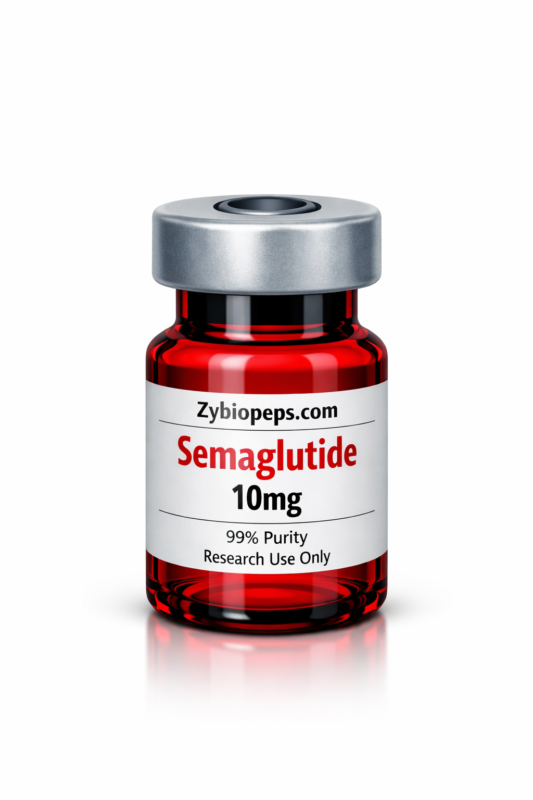
Semaglutide is a GLP-1 receptor agonist, meaning it mimics the glucagon-like peptide-1 hormone that naturally occurs in the body after eating. It works by stimulating insulin secretion, suppressing glucagon, slowing gastric emptying, and reducing appetite signals in the brain. It has been one of the most studied metabolic compounds of the past decade. Semaglutide 10mg is available at zybiopeps.com for research purposes.
What Is Tirzepatide?
Tirzepatide is a dual receptor agonist that targets both GLP-1 and GIP receptors simultaneously. GIP stands for glucose-dependent insulinotropic polypeptide, a second incretin hormone that works alongside GLP-1 to regulate metabolism. By activating both pathways at once, tirzepatide offers a broader mechanism of action than semaglutide alone. Tirzepatide is available in multiple dosages at zybiopeps.com.
Tirzepatide vs Semaglutide — Key Differences
The most significant difference between tirzepatide vs semaglutide lies in their receptor targets. Semaglutide acts on GLP-1 receptors only, while tirzepatide activates both GLP-1 and GIP receptors. This dual action gives tirzepatide a more complex metabolic profile in research settings. Studies comparing the two compounds have noted differences in effects on body composition, insulin sensitivity, and appetite suppression pathways.
Another key distinction is dosage flexibility. Tirzepatide is available in a wider range of research dosages, from 10mg up to 60mg, allowing researchers to study dose-dependent effects across a broad spectrum. Semaglutide research typically focuses on a narrower dosage range.
Side Effects in Research
Both compounds share similar side effect profiles in research models, primarily related to their gastrointestinal mechanisms. Nausea, reduced appetite, and changes in gastric motility are commonly observed in studies of both peptides. Research published on PubMed continues to explore the full side effect profiles of both compounds.
Which Is Better for Research?
The answer depends entirely on the research focus. For studies targeting GLP-1 pathways specifically, semaglutide remains the cleaner single-receptor option. For researchers exploring dual incretin mechanisms and broader metabolic effects, tirzepatide offers a more complex and potentially more powerful research tool.
What About Retatrutide?
For researchers looking beyond dual receptor compounds, retatrutide represents the next generation — a triple receptor agonist targeting GLP-1, GIP, and glucagon receptors simultaneously. Early research results have been remarkable and it is quickly becoming one of the most studied peptides in metabolic science.
Where to Source These Peptides
Both tirzepatide and semaglutide are available at zybiopeps.com, independently lab tested at 99% purity with full certificates of analysis, shipped across the USA for research purposes only.
Disclaimer: All products on zybiopeps.com are intended for research purposes only and are not for human consumption.
