
Research and Education
Peptides for Injury Recovery: What the Research Reveals
Peptides for injury recovery have become one of the most talked-about areas in regenerative research — and honestly, when you look at the preclinical data, it’s not hard to see why. The science of how the body heals is complex, and researchers have been searching for compounds that can actively support that process rather than just manage symptoms. What they’ve found with certain peptides is genuinely compelling.
At Zybiopeps, this is one of our busiest research categories. Scientists studying recovery biology, sports medicine, and regenerative mechanisms order these compounds consistently — and the questions we get about the research behind them tell us the field is moving fast.
Why Injury Recovery Research Is Turning to Peptides
Here’s the thing about injury recovery — it’s not a single event. It’s a series of biological processes that have to happen in the right order. First comes inflammation, which signals immune cells to the damage site. Then comes the proliferative phase, where new blood vessels form and repair cells migrate in. Finally, remodeling refines the repaired tissue over weeks or months.
What makes peptides interesting in this context is that several of them appear to influence multiple stages of this process simultaneously. They’re not just switching off inflammation or masking pain — they’re interacting with the signaling pathways that drive repair itself. For researchers who want to understand healing at the molecular level, that’s a meaningful distinction.
BPC-157: The Most Researched Peptide for Injury Recovery
If you spend any time in the injury recovery research literature, BPC-157 shows up everywhere. This 15-amino acid peptide — derived from a protective protein found in gastric juice — has been studied across muscle tears, tendon injuries, ligament damage, bone fractures, and even nerve injuries in preclinical models. The consistency of results across such different tissue types is what makes it stand out.
BPC-157 peptide for injury recovery research works through several overlapping mechanisms. Studies have documented its ability to promote angiogenesis at injury sites, stimulate fibroblast activity, upregulate growth factor receptors, and modulate inflammatory cytokine expression. The fact that it touches multiple pathways simultaneously is likely why the preclinical results hold up across so many different injury contexts.
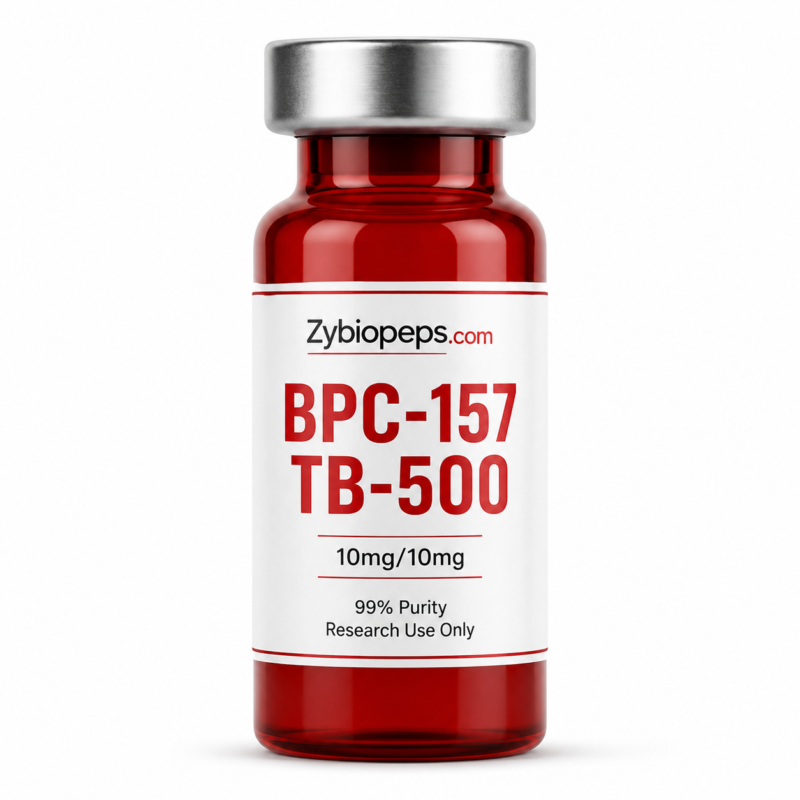
Our research team at Zybiopeps has gone through the BPC-157 literature carefully. The volume of preclinical data behind this compound is genuinely unusual for a research peptide — and it continues to grow. You can find our research-grade BPC-157 with full COA documentation on our product page.
TB-500: Targeting Fibrosis and Cell Migration
TB-500 approaches injury recovery from a different angle. As the synthetic version of Thymosin Beta-4, it works primarily by promoting actin polymerization — which is fundamental to how repair cells move through damaged tissue to reach the injury site. Without efficient cell migration, the later stages of healing simply can’t proceed effectively.
What’s particularly interesting about TB-500 in injury recovery research is its anti-fibrotic activity. Scar tissue is one of the biggest obstacles to full functional recovery after serious soft tissue injuries. Research has shown that TB-500 may reduce fibrosis at repair sites — which suggests it could support better quality tissue regeneration, not just faster closure. That’s a meaningful distinction for researchers studying long-term functional outcomes.
Research-grade TB-500 is available at Zybiopeps with verified third-party purity documentation on every batch.
Why Researchers Often Study BPC-157 and TB-500 Together
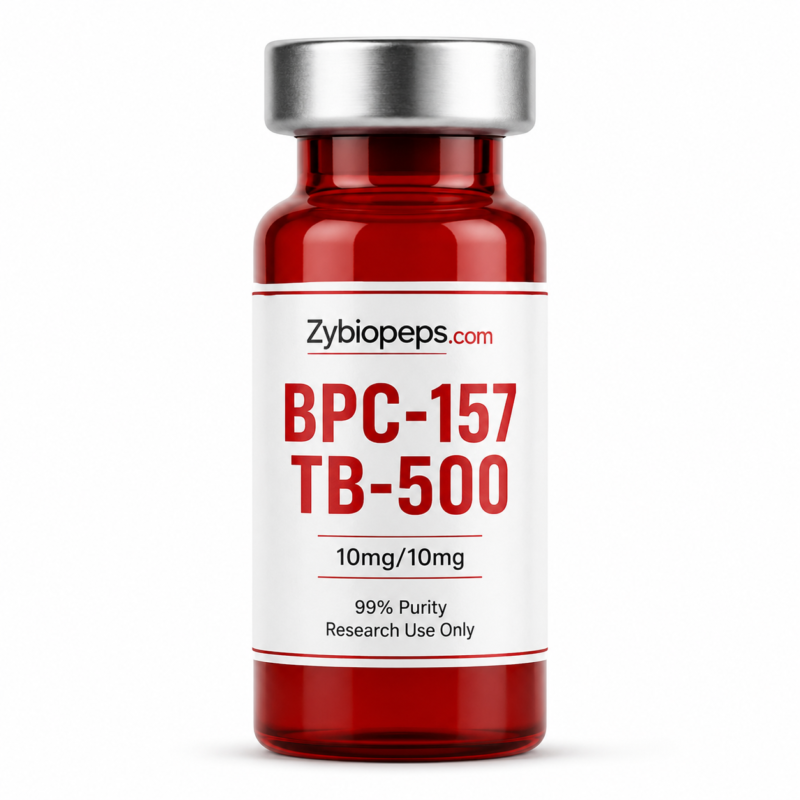
The combination of BPC-157 and TB-500 comes up frequently in the injury recovery research literature — and there’s a logical reason for it. The two compounds target different but overlapping mechanisms. BPC-157 drives angiogenesis and growth factor signaling. TB-500 handles cell migration and anti-fibrotic activity. Together, they address more of the healing process than either compound does alone.
Researchers ordering from Zybiopeps often source both compounds for this reason. It’s one of the most commonly studied pairings in regenerative peptide research, and the preclinical rationale for investigating them together is well-supported by the existing literature.
Collagen Peptides for Injury Recovery
Collagen peptides bring a different dimension to injury recovery research. Where BPC-157 and TB-500 work through signaling pathways, collagen peptides provide the structural raw material that damaged connective tissue needs to rebuild. Studies have shown that specific collagen peptide sequences can stimulate fibroblast activity and support new collagen synthesis in tendons, ligaments, and cartilage.
For researchers focusing on connective tissue injuries — where collagen is the primary structural component — this makes collagen peptides a useful complementary tool alongside signaling-focused compounds. The two approaches aren’t competing; they address different aspects of the same repair process.
What Is the Best Peptide for Injury Recovery Research?
That depends entirely on what aspect of recovery you’re studying. If you want the broadest tissue coverage and the deepest preclinical literature, BPC-157 is the starting point. If anti-fibrotic activity and cell migration are your focus, TB-500 adds that dimension. If you’re studying connective tissue repair specifically, collagen peptides are relevant. And if you’re investigating systemic recovery and muscle repair, growth hormone secretagogues like Ipamorelin and CJC-1295 bring another angle entirely.
The honest answer is that injury recovery is multifactorial — and the research reflects that by drawing on multiple compounds with complementary mechanisms.
The Primary Research Literature
For researchers who want to dig into the primary data, PubMed is the best starting point. A foundational study on BPC-157’s healing effects across multiple tissue types gives a solid overview of why this compound has attracted such sustained research attention over the past two decades.
Sourcing Quality Compounds for Recovery Research
Reproducibility in injury recovery research depends on compound consistency. Variable purity between batches introduces confounding factors that can make experimental results unreliable. Researchers ordering from Zybiopeps can be confident that every compound meets strict 99%+ purity standards, with third-party certificates of analysis available for every batch.
We supply research teams across the USA, Canada, and Australia. Clean data starts with clean compounds — and that’s something we take seriously on every order.
Frequently Asked Questions About Peptides for Injury Recovery
What are the best peptides for injury recovery research?
BPC-157 and TB-500 are the most extensively studied peptides for injury recovery in preclinical research. BPC-157 shows consistent healing activity across multiple tissue types, while TB-500 adds anti-fibrotic properties and cell migration support. Collagen peptides are also relevant for connective tissue repair research.
What is the best peptide for injury recovery in preclinical studies?
BPC-157 has the broadest tissue coverage and most extensive preclinical literature of any peptide studied for injury recovery. Its multi-pathway mechanism covers angiogenesis, growth factor modulation, and fibroblast stimulation across muscle, tendon, ligament, bone, and nerve tissue types.
Are collagen peptides good for injury recovery research?
Yes — collagen peptides provide the structural substrate that injured connective tissue needs for repair. Research has documented their ability to stimulate fibroblast activity and support new collagen synthesis, making them useful tools for studying tendon and ligament recovery biology.
What is peptide therapy for injury recovery in research settings?
Peptide therapy for injury recovery research involves administering specific peptide compounds to study their effects on healing in preclinical models. BPC-157 and TB-500 are the most commonly used compounds in this context, often studied individually or in combination.
Where can researchers source peptides for injury recovery studies?
Zybiopeps supplies research-grade BPC-157, TB-500, and other recovery-relevant peptides at 99%+ purity with full certificates of analysis, shipping to the USA, Canada, and Australia.
Disclaimer
All content on this page is intended strictly for educational and research purposes. The peptides discussed are research compounds and are not approved by the FDA for human use. The information presented does not constitute medical advice and is not intended to diagnose, treat, cure, or prevent any disease or medical condition. All peptide research must be conducted in accordance with applicable laws and regulations. Zybiopeps supplies research-grade peptides exclusively for laboratory and preclinical research use.
