

Research and Education
Retatrutide vs Semaglutide: What the Clinical Data Reveals
Retatrutide vs semaglutide is one of the most searched comparisons in metabolic research right now — and the clinical trial data makes it easy to understand why. Both compounds target the GLP-1 receptor, but as part of very different pharmacological profiles. Semaglutide is a proven single GLP-1 receptor agonist with years of clinical data behind it. Retatrutide is a triple receptor agonist that adds GIP and glucagon activation on top — and the early trial results have genuinely surprised the research community.
At Zybiopeps, we supply both compounds from our USA warehouse with same day shipping worldwide via USPS and FedEx. Every batch is third-party HPLC tested to 99%+ purity, and certificates of analysis are available for every order. Research teams can get started with a minimum order of just $100 — making high-quality peptide research accessible without the barriers of large minimum commitments.
The Mechanism Difference That Changes Everything
Before diving into results, understanding what separates these two compounds mechanistically is essential. Semaglutide is a highly optimized GLP-1 receptor agonist. It drives insulin secretion, suppresses glucagon, slows gastric emptying, and reduces appetite through central nervous system effects. It does one thing — but it does it exceptionally well, with a long half-life that supports once-weekly dosing in clinical settings.
Retatrutide operates on three receptors simultaneously — GLP-1, GIP, and glucagon. The glucagon component is what really sets it apart. Glucagon typically raises blood glucose and promotes fat breakdown, but when combined with GLP-1 activation, the net effect appears to amplify energy expenditure without the problematic blood glucose elevation glucagon would cause alone. It’s a pharmacologically complex compound, and researchers studying receptor interaction have found it genuinely fascinating.
What the Clinical Trial Numbers Actually Show
Here’s where the comparison gets interesting. Semaglutide’s STEP trials — which were landmark results at the time — documented average body weight reductions of around 15% over 68 weeks in participants with obesity. That was unprecedented for a pharmacological agent and reshaped how researchers thought about metabolic intervention.
Then retatrutide’s Phase 2 data arrived. Participants receiving the highest dose achieved average weight reductions of approximately 24% over just 48 weeks — a shorter timeframe, with greater magnitude. The research community’s reaction was significant. Numbers like that had simply never been seen with any pharmacological compound before, and the triple receptor mechanism is the leading explanation for why.
Our research team at Zybiopeps reviewed the Phase 2 retatrutide data carefully when it was published. What stood out wasn’t just the magnitude — it was that the weight loss curves were still descending at the end of the observation period. That suggests the full effect hadn’t even been reached yet, which is an unusual and compelling finding.
Semaglutide vs Tirzepatide vs Retatrutide: The Full Progression
To understand where retatrutide fits, it helps to look at the full evolution of this drug class. Semaglutide established that single GLP-1 agonism produces approximately 15% weight reduction. Tirzepatide — adding GIP receptor activation — pushed that to approximately 22% in the SURMOUNT trials. Retatrutide — adding glucagon receptor activation on top — appears to push it further still toward 24% and potentially beyond.
What’s interesting is that this isn’t just a numbers game. Each step represents a fundamentally different pharmacological approach, and researchers studying these compounds are building a detailed picture of how receptor combinations interact to shape metabolic outcomes. That mechanistic understanding is arguably the most valuable scientific output from this line of research.
Cardiovascular and Liver Fat Research
Weight reduction is the headline, but the broader metabolic data from these trials matters enormously for researchers. Semaglutide’s cardiovascular outcome trial established cardioprotective effects beyond its metabolic impact. Tirzepatide showed improvements in blood pressure, triglycerides, and insulin sensitivity. Retatrutide’s Phase 2 data showed significant reductions in liver fat content — a finding particularly relevant for researchers studying non-alcoholic fatty liver disease, and one that may be specifically linked to the glucagon receptor component.
Where Semaglutide Still Leads
Balance matters here. Semaglutide has something retatrutide doesn’t yet have — a completed Phase 3 program and years of real-world post-market experience. Its long-term safety profile is well-characterized across large patient populations. Retatrutide is still in clinical development, and while Phase 2 safety data was encouraging, the full picture requires Phase 3 completion.
For researchers designing studies today, semaglutide offers the most complete evidence base. Retatrutide offers the most striking efficacy signal. The right choice depends entirely on what research question you’re trying to answer.
How Zybiopeps Supports This Research
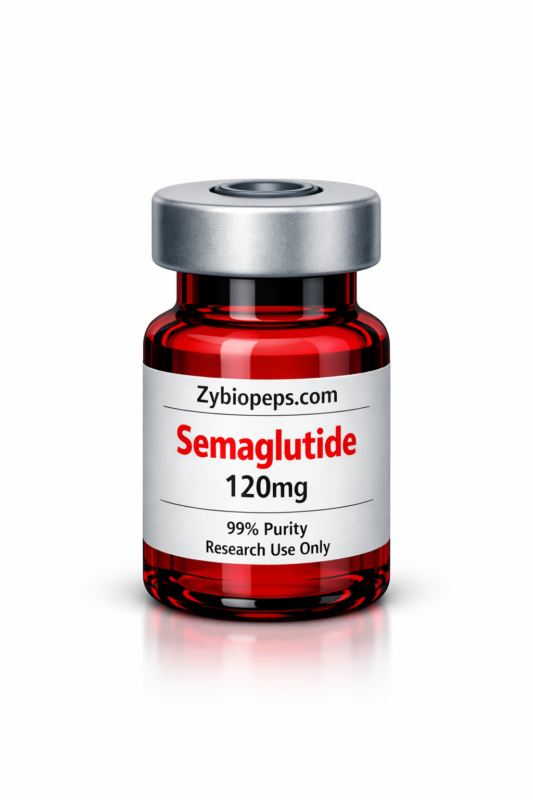
What separates Zybiopeps from other peptide suppliers in this space is our commitment to verified quality at every step. Both our semaglutide and retatrutide are manufactured under strict quality control standards, third-party HPLC tested in the USA, and packaged in sealed laboratory-grade vials designed to maintain product integrity during storage and international transit.
Every order is inspected before dispatch from our USA warehouse and shipped same day via USPS or FedEx to researchers worldwide — including the USA, UK, Australia, Germany, the Philippines, and beyond. COAs are available for every batch, so your research starts with documentation you can trust.
Researchers can order Semaglutide and Retatrutide individually or explore bulk pricing through our Wholesale Research Peptides program — with a minimum order of just $100.
The Primary Research
For researchers engaging with the primary literature, the retatrutide Phase 2 trial and semaglutide STEP trials are the essential starting points. You can access the foundational clinical data through PubMed’s indexed research on retatrutide’s Phase 2 trial results.
Frequently Asked Questions: Retatrutide vs Semaglutide
What is the main difference between retatrutide and semaglutide?
Semaglutide targets the GLP-1 receptor only. Retatrutide activates three receptors simultaneously — GLP-1, GIP, and glucagon. This triple mechanism appears to produce greater metabolic effects, particularly for weight reduction and liver fat content.
Which produces more weight loss — retatrutide or semaglutide?
Phase 2 trial data showed retatrutide producing approximately 24% average body weight reduction versus semaglutide’s approximately 15% in its STEP trials. Direct head-to-head comparison data is not yet available as retatrutide’s Phase 3 program is ongoing.
How does semaglutide vs tirzepatide vs retatrutide compare?
The three represent a progression of receptor complexity — semaglutide (GLP-1 only), tirzepatide (GLP-1 + GIP), retatrutide (GLP-1 + GIP + glucagon). Each additional receptor appears to amplify metabolic outcomes, with retatrutide producing the largest weight reductions observed to date.
Where can researchers source retatrutide and semaglutide?
Zybiopeps supplies both from our USA warehouse with same day worldwide shipping via USPS and FedEx. Both are third-party HPLC tested to 99%+ purity with COAs available. Minimum order is $100, with bulk pricing available through our wholesale program.
Disclaimer
All content on this page is intended strictly for educational and research purposes. Semaglutide has received regulatory approval for specific clinical indications. Retatrutide is currently in clinical development and has not received regulatory approval. The information presented does not constitute medical advice and is not intended to diagnose, treat, cure, or prevent any disease or medical condition. Zybiopeps supplies research-grade peptides exclusively for laboratory and preclinical research use.
